

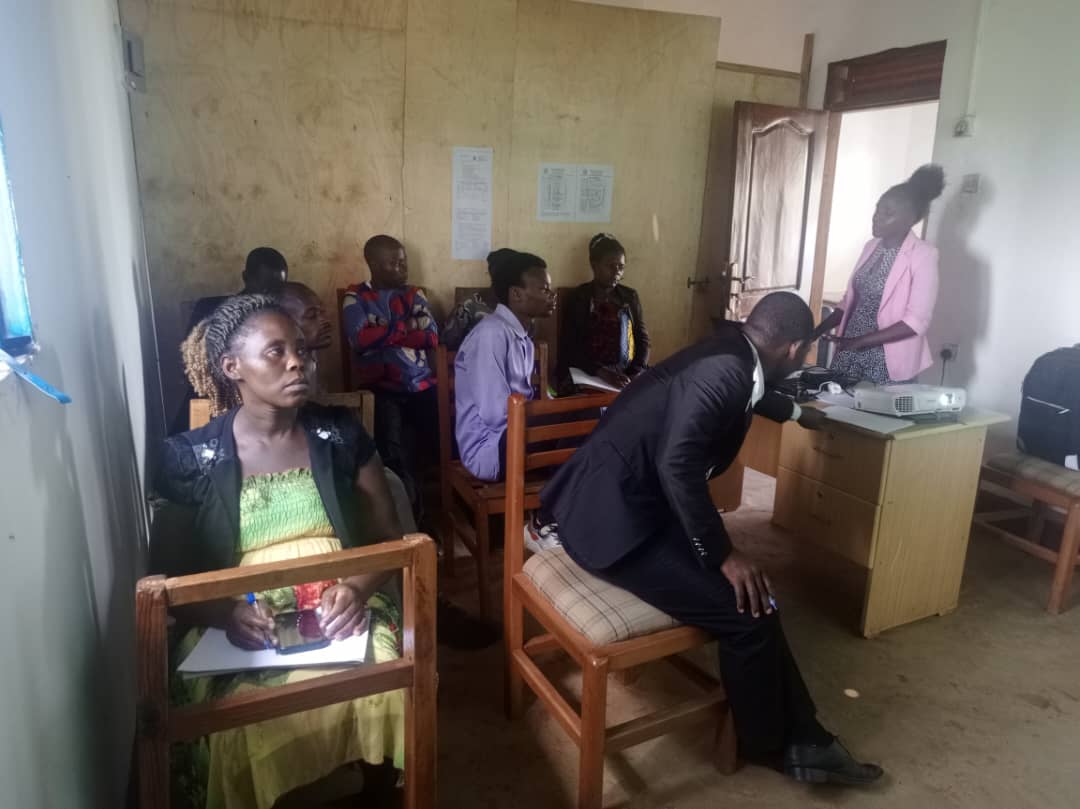
On a day marked by innovation and learning, Edify Uganda conducted an #EdifyEdTech In-school Training at Namanve High School in Mukono, aimed at equipping teachers with the essential skills needed to integrate technology into teaching and administration. The event highlighted the growing importance of ICT (Information and Communication Technology) in the education sector and underscored the role of educators in embracing these advancements to remain relevant in an ever-evolving digital landscape.
The theme of the session, “Technology will not replace teachers, but those who fail to embrace technology integration risk becoming irrelevant in this digital era,” perfectly encapsulated the critical message of the day: the future of education is intertwined with technology, and teachers who adapt to this shift will lead the way in shaping tomorrow’s classrooms.
Technology as a Tool, Not a Replacement
Throughout the training, facilitators from Edify Uganda and Sharebility Uganda emphasized that technology is a tool to enhance education, not a substitute for teachers. Contrary to fears that digital learning could replace traditional teaching, the experts explained how ICT can enrich the teaching process, making it more interactive, engaging, and accessible for students.
In a world where technology is rapidly transforming every industry, educators must rethink their approaches and adopt tools that can improve both learning outcomes and administrative efficiency. Teachers at Namanve High School were introduced to a variety of tech tools that they could integrate into their daily lessons, including educational platforms, digital collaboration tools, and systems for managing student progress and data.
Bridging the Gap between Teachers and Technology
One of the key takeaways from the training was that the use of technology in education is not just about keeping up with trends, but about empowering teachers to better engage students. The facilitators showed how ICT integration can help teachers create more dynamic and student-centered learning environments, where students are encouraged to collaborate, explore, and take ownership of their learning.
For example, platforms that allow students to access lessons digitally provide opportunities for personalized learning, enabling each student to progress at their own pace. Teachers were also guided on how to use data analytics to track student progress in real time, helping them offer timely feedback and tailor their instruction to meet individual needs.
Adapting to Stay Relevant in the Digital Age
As the world continues to shift towards technology-driven solutions, the role of teachers remains central in guiding students through this transition. However, for teachers to continue being relevant, they must actively seek ways to integrate digital tools into their practices. The #EdifyEdTech training helped teachers at Namanve High School understand that the future of education lies in their ability to adapt and embrace change.
During the session, educators were encouraged to develop a growth mindset — one that is open to learning new skills and continuously evolving alongside technological advancements. It was emphasized that those who resist this change risk becoming obsolete, as the expectations of both students and parents increasingly lean towards tech-savvy classrooms.
Supporting Long-Term Community Growth
The in-school training at Namanve High School is part of the wider EdifyEdTech Program, which seeks to empower Christ-centered schools across Uganda by offering access to education technology, training, and loan capital. By equipping teachers with digital skills, Edify Uganda aims to improve the overall quality of education in the country, helping schools better prepare students for the demands of the 21st century.
Beyond the classroom, integrating technology also strengthens school administration, enabling better communication, data management, and decision-making processes. This, in turn, fosters longevity and sustainability within educational institutions.




Leave a Reply